February 9, 2026

If you’re planning a new-build custom home in the GTA, the biggest budget surprises usually don’t come from one single item—they come from a handful of decisions that ripple through structure, services, finishes, and schedule.
Construction costs also move over time (labour and trade pricing are a major component). Statistics Canada’s Building Construction Price Index shows residential construction costs continue to change quarter-to-quarter across major Canadian markets, with wage pressures cited as a key driver in recent releases.
This article breaks down the most common cost drivers and what you can do early to reduce budget risk—without compromising the outcome.

Why it matters: The same house can cost very differently on two different lots.
Typical cost drivers include:
How to reduce risk:
Do early due diligence (survey, servicing assumptions, grading concept) before locking the design.

Why it matters: Complexity multiplies trades, coordination, and labour hours.
Common “complexity multipliers”:
Rule of thumb: Two homes with similar size can have very different costs if one is “simple geometry” and the other is “architecturally complex.”
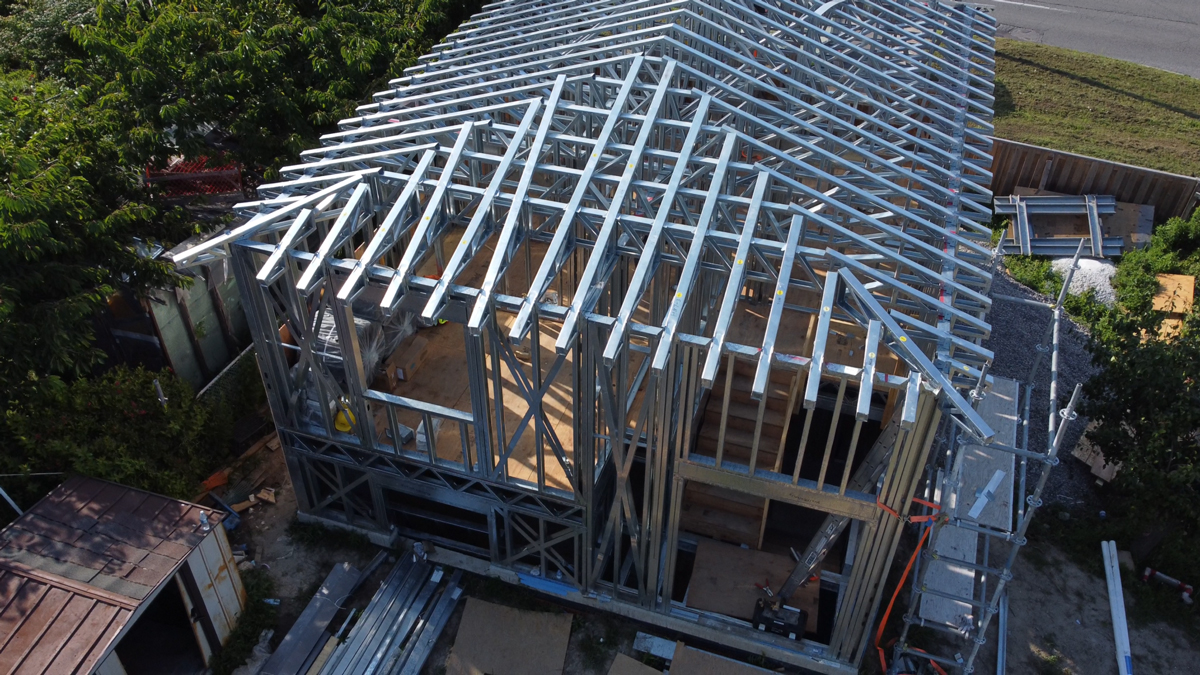
Why it matters: Foundation and structure are early, high-impact decisions.
Budget-sensitive variables:
How to reduce risk:
Align architectural intent with an engineering strategy early—late structural changes are expensive.
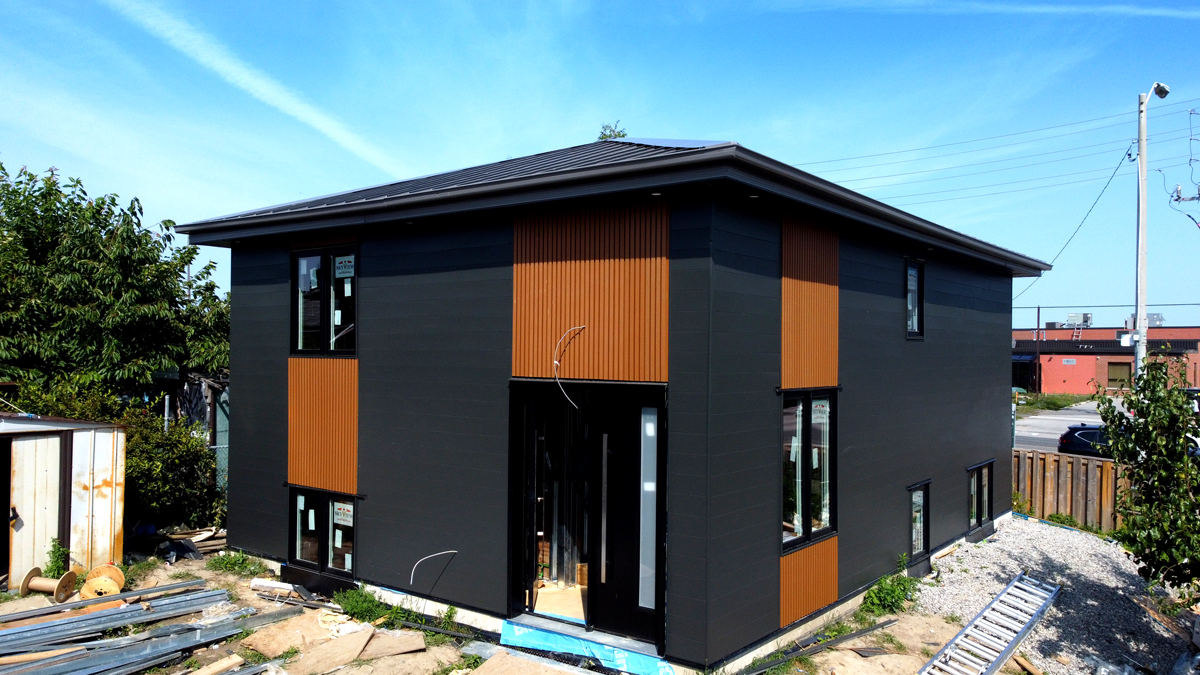
Why it matters: Your exterior wall assembly is one of the largest “system packages.”
Cost drivers:
Good news: Envelope upgrades often improve comfort and durability. The key is choosing the right level for your goals—then detailing it properly.
Why it matters: Windows/doors affect cost and schedule, and schedule pressure increases cost.
What drives pricing:
Recent Canadian market commentary continues to flag supply-chain volatility and lead-time risks, especially as sourcing shifts and longer lead times appear in certain categories.
How to reduce risk:
Confirm window/door intent early, release for shop drawings sooner, and lock the order before your framing and envelope milestones.

Why it matters: MEP scope can shift dramatically based on comfort expectations and architectural choices.
Cost drivers:
How to reduce risk:
Decide your “comfort standard” early (quietness, zoning, humidity control, etc.), then design around it instead of retrofitting later.

Why it matters: Custom millwork adds cost quickly—and often requires long shop drawing cycles.
Cost drivers:
How to reduce risk:
Pick where you want “hero moments,” and keep other areas efficient and repeatable.

Why it matters: Bathrooms are labour-intensive, and tile/detailing complexity drives time.
Cost drivers:
How to reduce risk:
Choose a consistent detail strategy across bathrooms (one or two standard build-ups), then upgrade selectively.

Why it matters: Late selections force rushed decisions, substitutions, and change orders.
Cost risk increases when:
CMHC has also pointed to industry-wide pressures—material and financing costs and labour availability—affecting construction conditions.
How to reduce risk:
Create a decision calendar tied to construction milestones and lock the key packages early.
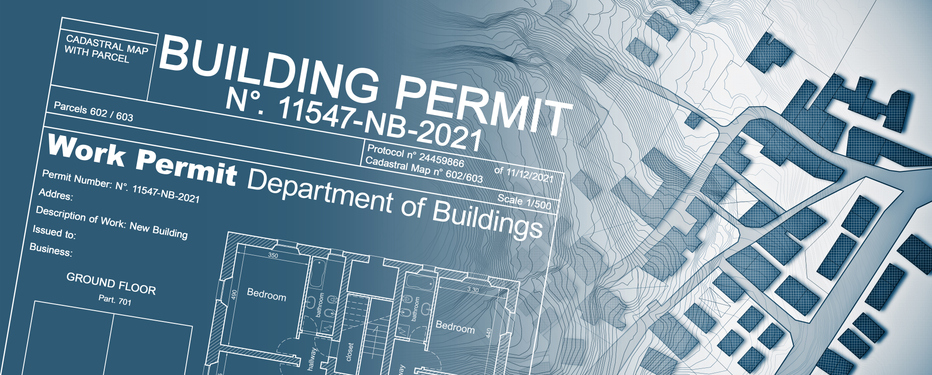
Why it matters: Permits and compliance-related items are non-negotiable and should be included in early planning. As one example, the City of Toronto publishes building permit fees and notes scheduled fee increases (effective January 1, 2026) and separate fees tied to zoning reviews/certificates.
How to reduce risk:
Treat permits/fees and required compliance documentation as a defined line item in your pre-construction roadmap (even if you’re outside Toronto, most GTA municipalities have similar requirements and fee schedules).
A practical approach that works well for custom homes:
Should I budget based on “price per square foot”?
It can be a rough starting point, but it’s often misleading for custom homes. Complexity, envelope, structure, MEP, and finish level can shift costs significantly even at the same size.
What’s the biggest cause of budget overruns?
Late changes and late selections. They trigger rework, reordering, and schedule pressure—each of which adds cost.
Why do long-lead items matter so much?
Because schedule pressure reduces your options. When you must order immediately to stay on track, you lose competitive pricing and substitution flexibility.
Share your goals and location—we’ll route your inquiry to the right team.