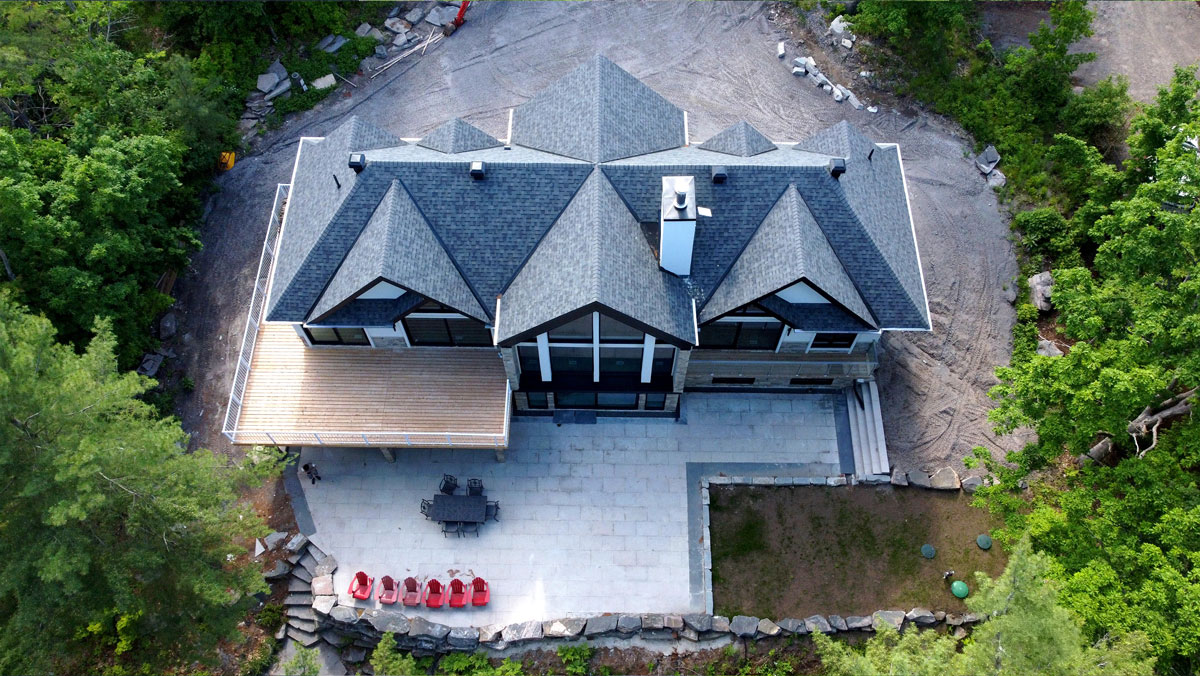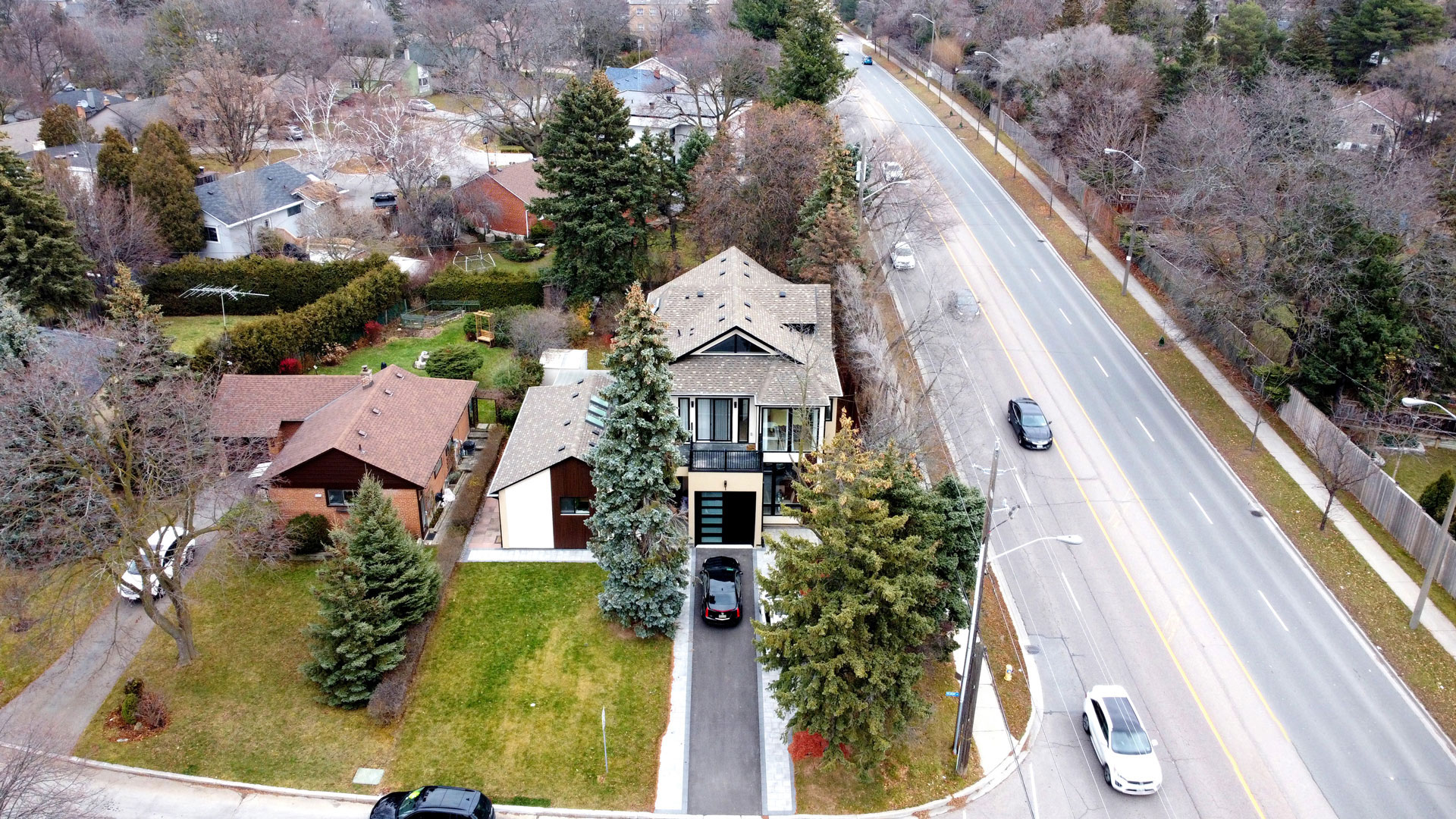



We plan work with the surrounding community in mind—especially on tight or active sites. That includes practical controls for noise, dust, traffic flow, and site cleanliness, plus clear communication when questions arise. When concerns come in, we respond promptly and work toward resolution.
We aim to run sites that are efficient and respectful: visible signage, organized logistics, thoughtful scheduling, and a clean perimeter. Where feasible, we support waste sorting and lower-impact practices that reduce unnecessary disruption while keeping productivity high.
Responsible delivery requires responsible partners. We set clear expectations for scopes, documentation, and compliance, and we aim for procurement practices that are fair, comparable, and transparent—so decisions protect the project and the people executing it.
A responsible build is one that finishes well. We support disciplined close-out, documentation, and deficiency management so handover is clear, complete, and aligned with long-term performance—reducing friction after turnover.
We support these commitments through structured project governance, safety practices, and environmental management processes applied across our work.

ITP at hold points; acceptance criteria set.
Material receiving & in-process checks.

NCR with root-cause analysis.

CAPA closed; lessons logged.
Site entry training & permits to work.
JHA/task risk review; controls selected.
3-tier inspections & toolbox talks.

Incident reporting; LTI/recordable tracking & actions.
WBS, critical path, approvals & inspection strategy

cost-loaded schedule; milestones & stage gates

weekly look-ahead & PPC, constraint log, PMIS dashboards

variance analysis, pull-planning, recovery tasks issued

estimating & BoQ, value engineering, risk/contingency model
prequalified suppliers, package strategy, change control

EV; commitments & cash flow; FAC
final account, O&M handover, warranty & lessons learned
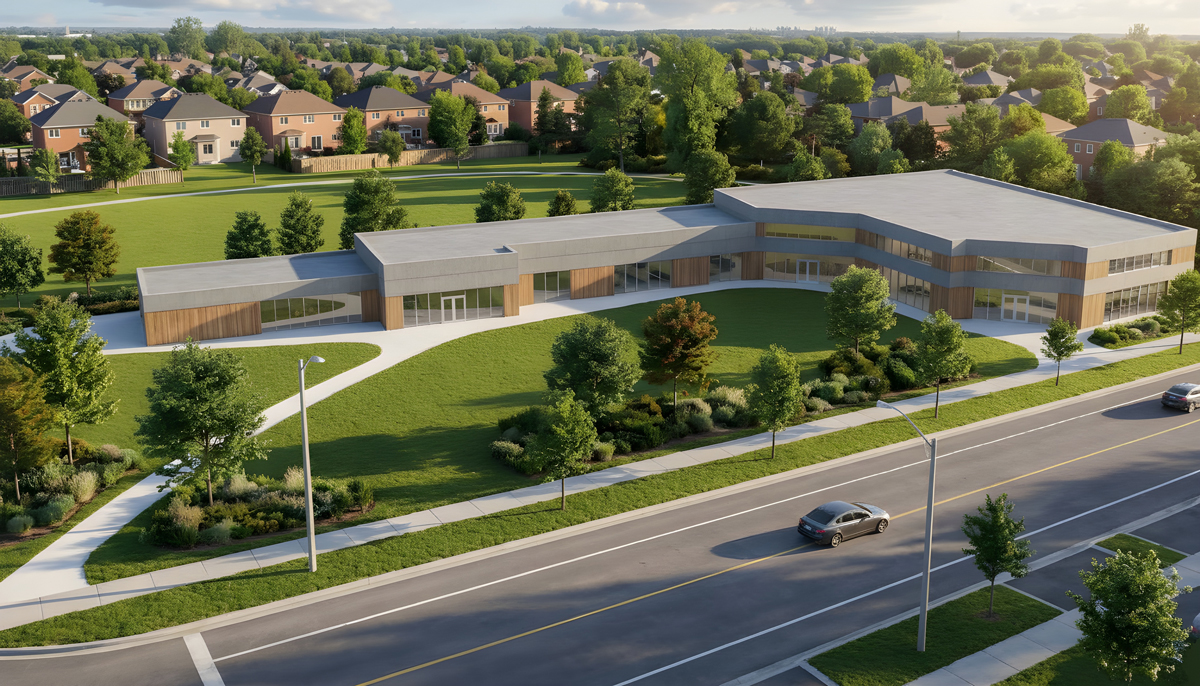
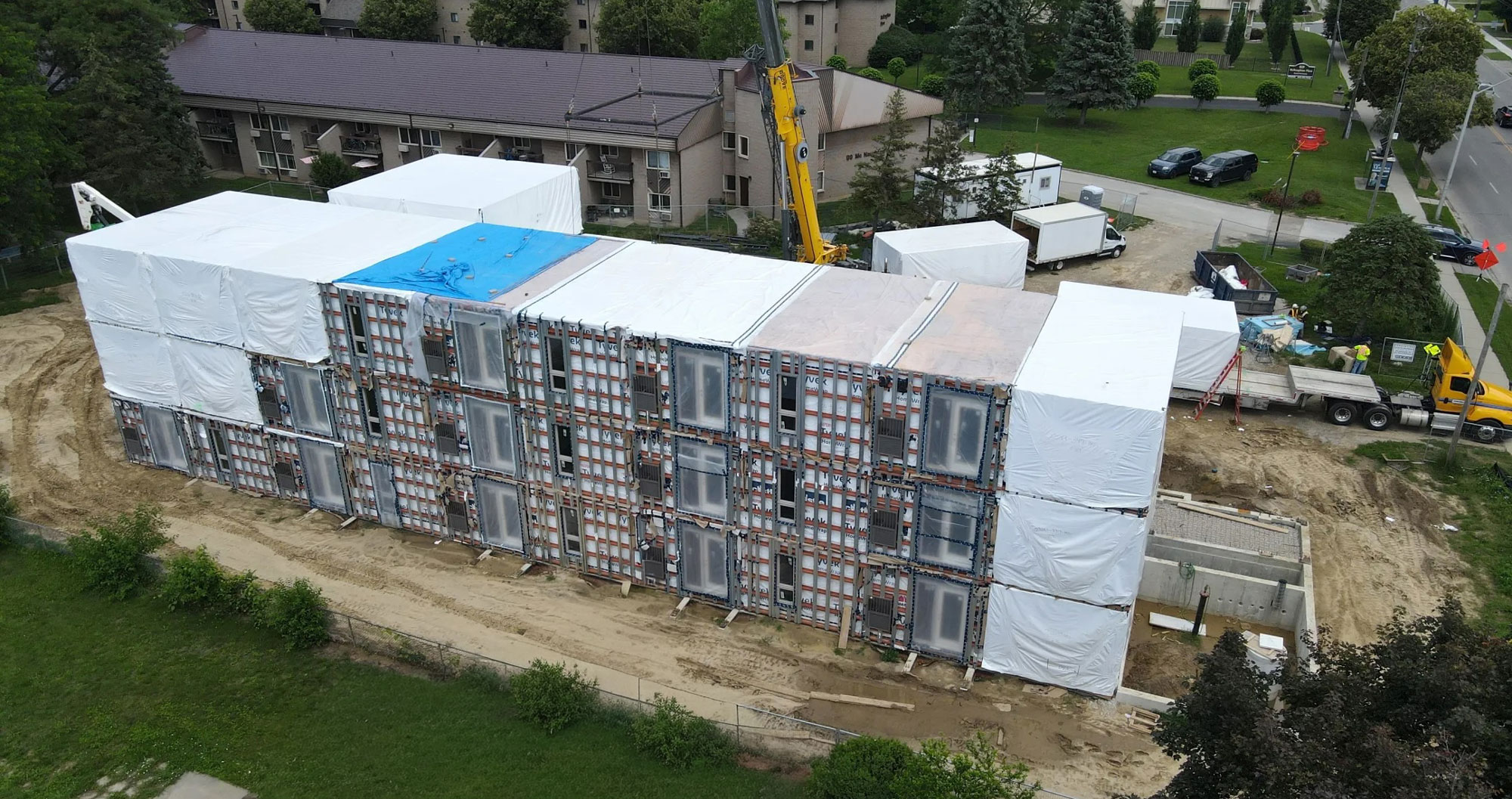
A practical guide to MIC (modular integrated construction): best-fit project types, common constraints, schedule and QA considerations, and how to evaluate feasibility early.

Understand the biggest cost drivers for a GTA new-build custom home—site conditions, structure, envelope, MEP, finishes, and long-lead items—plus how to reduce budget risk.

A realistic GTA new-build custom home timeline—from design and permits to construction and occupancy. Typical durations, key milestones, and how to avoid delays.