GTA Custom Home Timeline: New Build From Design to Move-In

February 9, 2026

A new-build custom home in the GTA is exciting—but timelines often feel uncertain. In practice, your schedule is shaped by three factors:

  1. Decisions (how quickly key selections and approvals are made)
  2. Approvals (zoning/applicable law and building permit review by your local municipality)
  3. Construction complexity (site conditions, structure, MEP scope, finishes, and long-lead items)

Below is a realistic, phase-by-phase roadmap you can use to plan your project and reduce avoidable delays.

Phase 0 — Feasibility & Site Due Diligence (2–6 weeks)

Goal: confirm what’s possible and align scope, budget, and schedule before full design.

Typical tasks:

  • Review zoning constraints (setbacks, height, lot coverage, parking, grading)
  • Confirm site conditions and constraints (services, driveway access, trees, easements, conservation/heritage considerations where applicable)
  • Establish an evidence-based budget range and a target move-in window

Common timeline drivers

  • Missing surveys / unclear site constraints
  • Early scope changes after feasibility findings

Phase 1 — Design Development (6–12 weeks)

Goal: translate goals into a coordinated concept that can be priced and permitted.

Typical tasks:

  • Concept options → preferred direction
  • Floorplans, massing, and exterior composition
  • Early structural + MEP coordination (enough to avoid late redesign)
  • Early decisions that affect engineering (spans, stair design, large glazing, ceiling heights, HVAC approach)

What extends this phase

  • Late changes to layout or exterior massing
  • Delayed decisions on major systems and key finishes

Phase 2 — Construction Documents & Engineering (8–16 weeks)

Goal: produce a permit-ready drawing set and engineering package.

Typical tasks:

  • Final architectural drawings and details
  • Structural engineering
  • Mechanical strategy documentation (as required)
  • Coordination checks to reduce re-submissions and review rounds

What extends this phase

  • Incomplete drawings (inconsistencies are a common cause of review comments)
  • Unresolved selections that impact engineering (windows, stairs, special details)

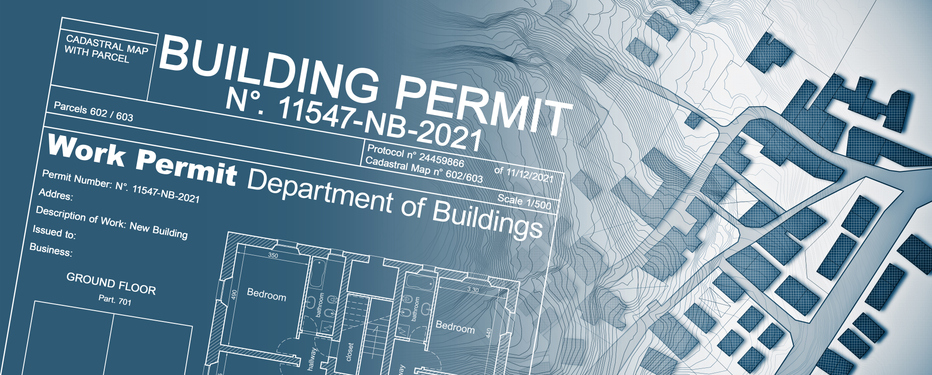
Phase 3 — Permitting & Approvals (variable; often 4–12+ weeks)

In the GTA, permit timelines vary by municipality and by whether the application is complete at submission.

A complete submission typically moves faster; incomplete packages tend to trigger review comments, resubmissions, and longer back-and-forth. (Toronto’s permit stream guidance is a good example of how “complete” requirements affect review timelines.)

Practical takeaway:

  • If your design is zoning-compliant and your package is complete, approvals are usually more predictable.
  • If you’re pushing setbacks/height/coverage, plan extra time for planning routes like minor variances (where applicable), which can materially affect the schedule.


Phase 4 — Procurement & Pre-Construction (4–10 weeks)

Goal: lock scope, pricing, and long-lead items before mobilization.

Typical tasks:

  • Finalize budget and trade buyout
  • Confirm a selection schedule (what must be decided before rough-ins)
  • Identify and order long-lead items (often windows/doors, custom millwork, specialty fixtures, and some HVAC equipment)
  • Site logistics plan (access, staging, neighbor considerations)

What extends this phase

  • Changes after pricing
  • Long-lead items not ordered early enough

Phase 5 — Construction (10–18+ months for many new builds)

Every home is unique, but most new-build custom homes follow a predictable sequence:

5A) Site Prep & Foundations (4–10 weeks)
  • Excavation, footings, foundation walls
  • Waterproofing, drainage, backfill
  • Underground services coordination
5B) Framing & Building Envelope (8–16 weeks)
  • Framing, roof structure, sheathing
  • Windows/doors timing is critical (often a major schedule driver)
  • Exterior cladding progresses as sequencing and weather allow
5C) Rough-Ins: MEP (6–12 weeks)
  • HVAC, plumbing, electrical rough-in
  • Inspections and corrections
  • Insulation and air/vapour control
5D) Interior Finishes (12–24+ weeks)
  • Drywall, flooring, tile
  • Millwork/cabinetry, paint, trim, stairs
  • Fixtures, final electrical, and punch list
5E) Commissioning, Deficiencies & Turnover (2–6 weeks)
  • System start-up and balancing (where applicable)
  • Deficiency walkthroughs and close-out documentation
  • Final inspections to close permits and support a clean handover

End-to-End Planning Ranges (GTA New Build)

Use these ranges to plan realistically:

  • Fast-track scenario: 12–16 months (Clear scope, clean approvals, disciplined selections, minimal specialty items)
  • Typical GTA new-build custom home: 16–24 months (Normal design + permit cycles + procurement realities)
  • High-complexity builds: 24–30+ months (Tight sites, major customization, variance path, specialty materials, complex MEP)

What Most Often Delays a GTA New Build

  • Design changes after engineering
  • Incomplete permit submissions and resubmissions
  • Long-lead items (especially windows/doors and custom millwork)
  • Selections made too late (tile, fixtures, lighting, cabinetry)
  • Site constraints (access, staging, utilities, winter conditions)

How to Protect Your Schedule (Practical Checklist)

  • Confirm zoning strategy early and flag variance risk upfront
  • Build a “decision calendar” tied to construction milestones
  • Lock long-lead items early (shop drawings + procurement)
  • Coordinate drawings aggressively before permit submission
  • Use milestone-based reporting so schedule risks surface early

New project

Start a project?
Tell us a few details.

Share your goals and location—we’ll route your inquiry to the right team.

Thank you! Your submission has been received!
Oops! Something went wrong while submitting the form.

Subscribe to our Newsletter!

Thank you! Your submission has been received!
Oops! Something went wrong while submitting the form.