February 10, 2026
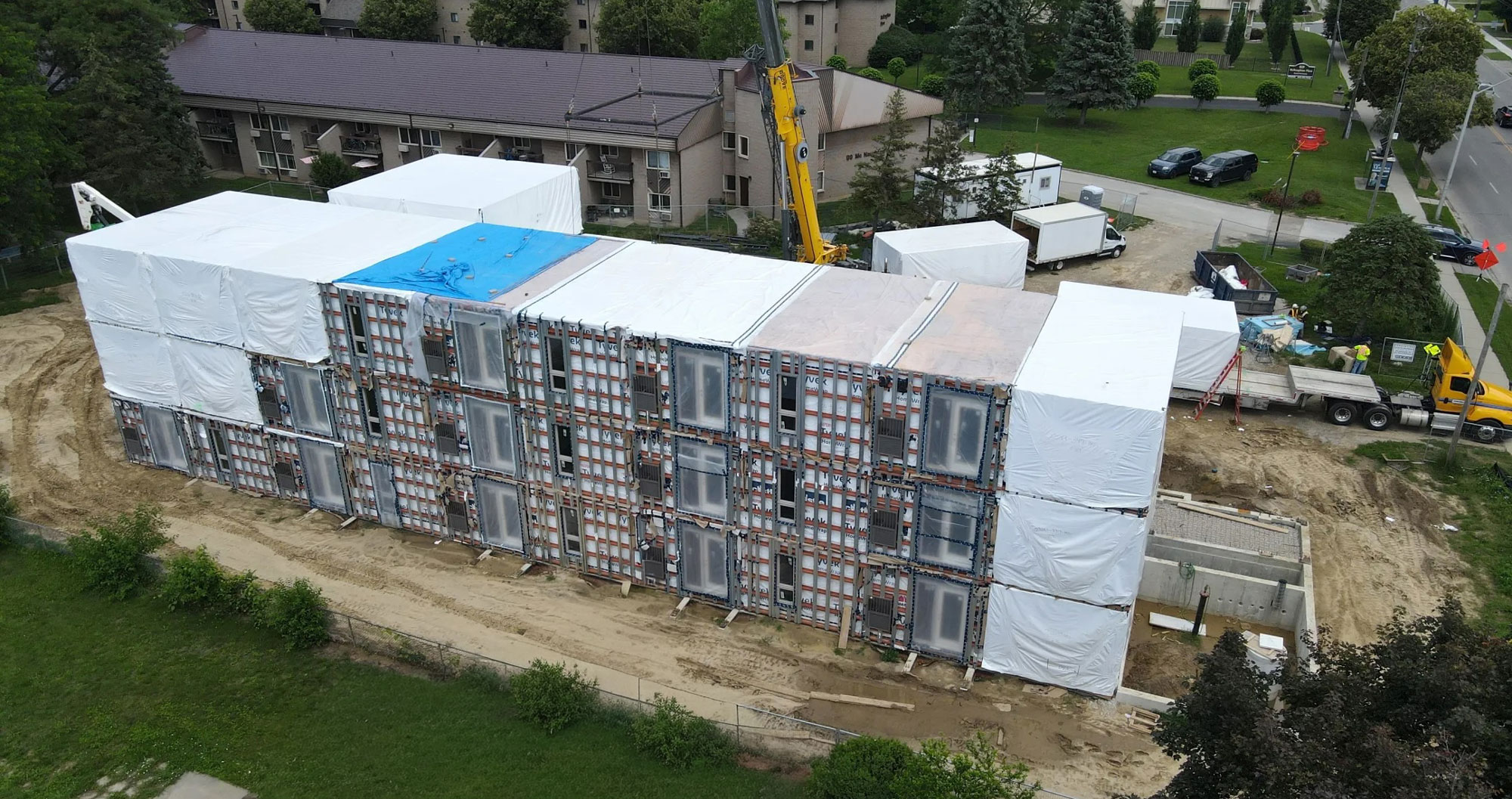
Modular Integrated Construction (MiC / MIC) is a construction method where free-standing volumetric modules—often completed with structure, MEP, finishes, fixtures, and fittings—are manufactured in a controlled factory environment, then transported and installed on-site.
MIC can deliver real schedule and quality advantages—but it’s not a universal solution. The best results come from choosing MIC for the right project, and committing to MIC early enough to design for manufacturing and installation.
This guide explains where MIC shines, where it struggles, and how to assess feasibility without guesswork.
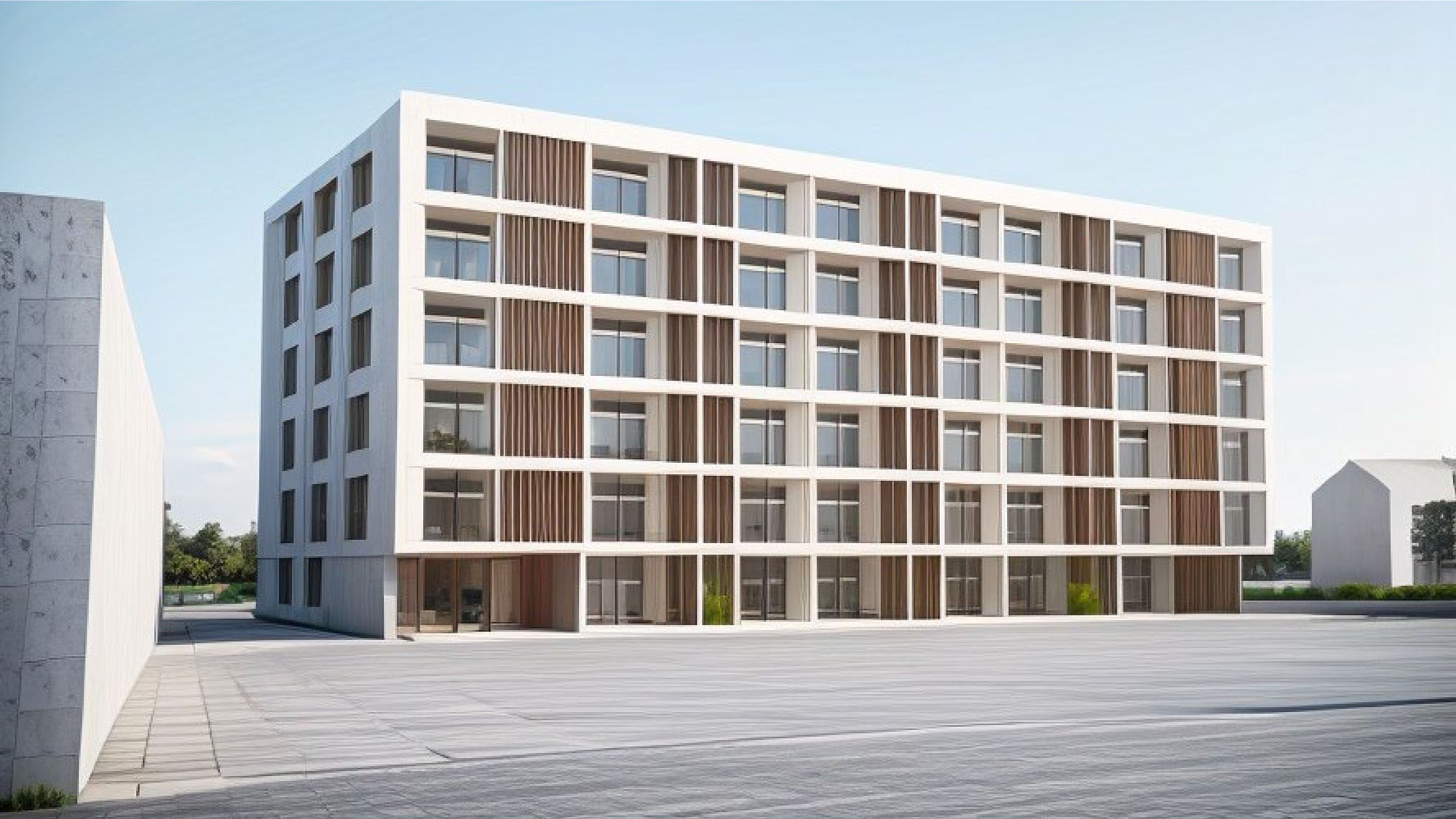
MIC performs best when the design includes:
Why: modular efficiency comes from repeating proven details and production steps.
Modular projects can gain time because factory work and site work happen in parallel—while foundations and site prep progress, modules can be produced offsite. Industry reporting commonly cites meaningful schedule improvements when modular planning is executed properly.

Factory environments reduce weather exposure and enable standardized processes and inspections, improving consistency—especially for complex MEP coordination.

Good-fit examples often include:

1) Late Design Changes
MIC is unforgiving to late scope shifts. The more you “freeze” the design early, the better it performs. Research on modular adoption notes that modular can require more detailed design earlier than conventional builds.
MIC requires realistic planning for:
If the site cannot support safe, efficient installation, MIC loses its advantage quickly.
Homes or buildings with constantly changing geometry, unique structural moves, or highly bespoke detailing can push MIC toward higher cost and risk—unless you intentionally modularize only certain portions (e.g., bathroom pods).
MIC success depends on reliable manufacturer capacity, QA documentation, and coordination across design–factory–site. Without this, project risk can increase rather than decrease.
In Canada, modular/factory-built construction is commonly supported through CSA A277 certification, which is a framework for certification programs for prefabricated buildings, modules, and panels.
Ontario’s building code references CSA A277 procedures for factory certification, while still requiring code compliance for site installation and applicable requirements.
Practical takeaway: MIC can be code-compliant and robust—but it must be structured around the right certification pathway and documentation plan from the start.
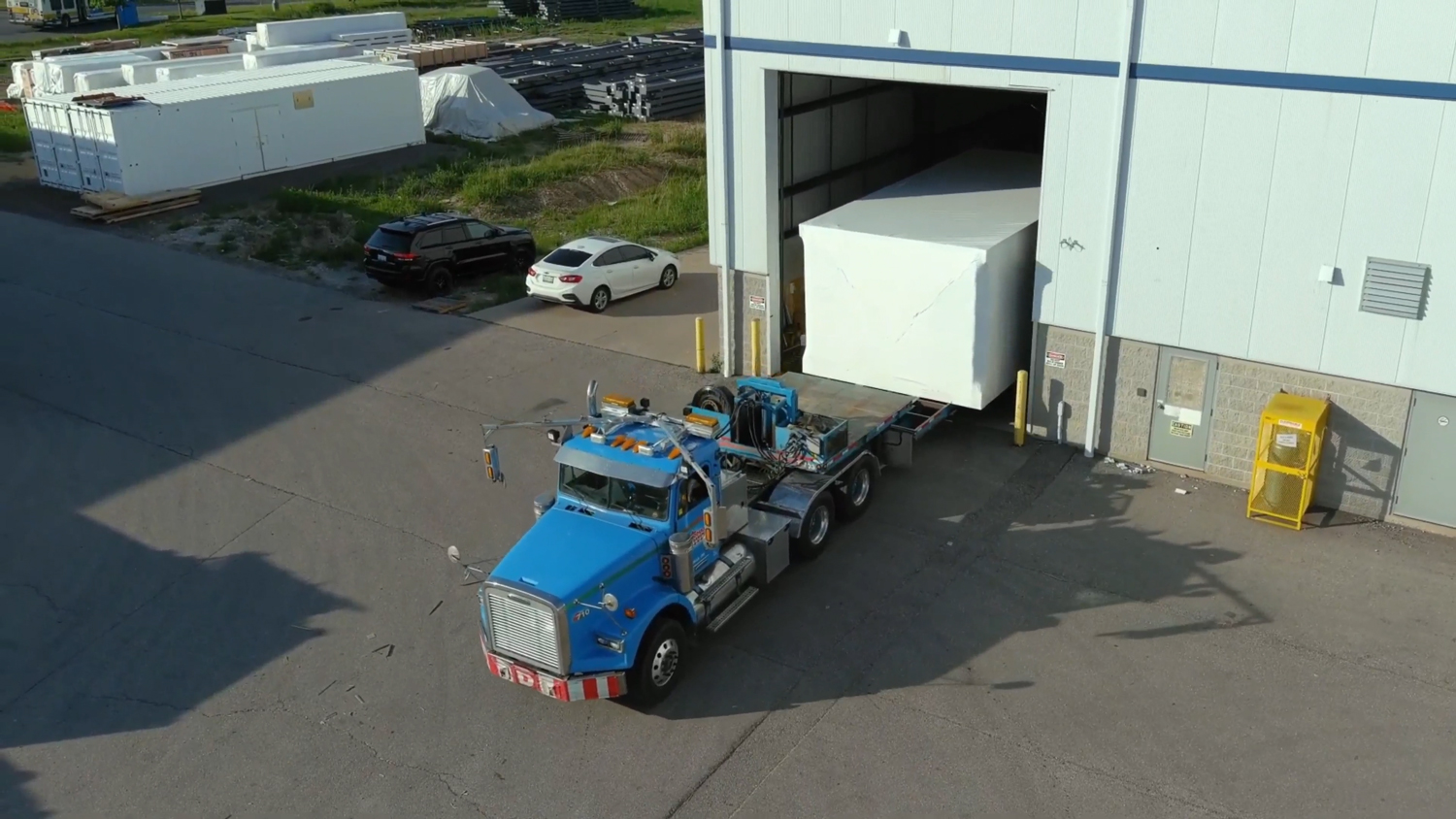
Canada-focused research also highlights broader industrialized construction opportunities—and barriers like regulatory inconsistencies and procurement challenges—so planning and alignment matter.

Is MIC always faster?
It can be, because site and factory work can run in parallel—but only if design decisions and procurement are locked early.
What’s the biggest difference vs. traditional construction?
MIC requires earlier design finalization, more interface detailing, and a logistics-first mindset.
How do I know MIC can meet code requirements in Canada?
Factory-built modular projects often rely on CSA A277 certification pathways and required documentation, while still meeting applicable code requirements at the installation site.
Share your goals and location—we’ll route your inquiry to the right team.